Understanding High Blood Pressure: Causes, Symptoms & What You Can Do
Why it often has no symptoms, what raises your risk, and the everyday habits that help keep it in check.
Category: Urgent Care|Reading Time: 5–6 Minutes

A cold and the flu are both contagious respiratory illnesses, and their symptoms can look very similar. However, flu symptoms usually appear more suddenly and tend to be more intense than those of a common cold.
Knowing the common differences can help you understand your symptoms and know when it may be time to seek medical care.
Cold symptoms are generally milder and often develop gradually. Common symptoms include:
Fever is less common with a cold, and most people continue with their normal activities despite feeling unwell.
The flu often comes on suddenly and can make you feel significantly more unwell. Symptoms may include:
Fatigue and weakness can sometimes continue even after the other symptoms begin to improve.
How Symptoms Start
Cold symptoms usually develop gradually, while flu symptoms often appear suddenly.
Fever
Fever is uncommon with a cold but is common with the flu.
Body Aches
Mild aches may occur with a cold. Flu-related aches are often more noticeable.
Fatigue
A cold may cause mild tiredness, while the flu can cause significant exhaustion.
Nasal Symptoms
Runny or stuffy noses are more common with colds than with the flu.
Cough
Coughing can happen with both illnesses but may be more pronounced with the flu.
Most mild respiratory illnesses can be managed with rest, fluids, and appropriate symptom relief.
Stay Hydrated
Drink plenty of fluids to help prevent dehydration.
Get Plenty of Rest
Give your body time to recover and avoid strenuous activity while you're feeling unwell.
Monitor Your Symptoms
Pay attention to changes in fever, breathing, pain, or overall condition.
Talk With Your Provider
If your symptoms are severe, worsening, or you're at higher risk for complications, contact your healthcare provider.
For some people with influenza, antiviral treatment may be appropriate, particularly when started early.
Consider contacting a healthcare provider if your symptoms are severe, getting worse, or not improving as expected.
Seek prompt medical attention if you experience:
People with certain chronic health conditions may also have a higher risk of complications from the flu and should contact their provider when they become sick.
Why it often has no symptoms, what raises your risk, and the everyday habits that help keep it in check.
The early warning signs of type 2 diabetes, who is at risk, and simple changes that support healthy blood sugar.
Common causes of back pain, the warning signs that need prompt attention, and how it is treated.
What a physical exam covers, why preventive visits matter, and how to prepare for your appointment.
What your cholesterol numbers mean and the lifestyle steps that help protect your heart.
How sciatic nerve pain feels, what causes it, and the symptoms that mean you should be seen.
Posture, lifting, sleep, and activity habits that help protect your back every day.
The most common flu symptoms, who is at higher risk, and when to contact a provider.
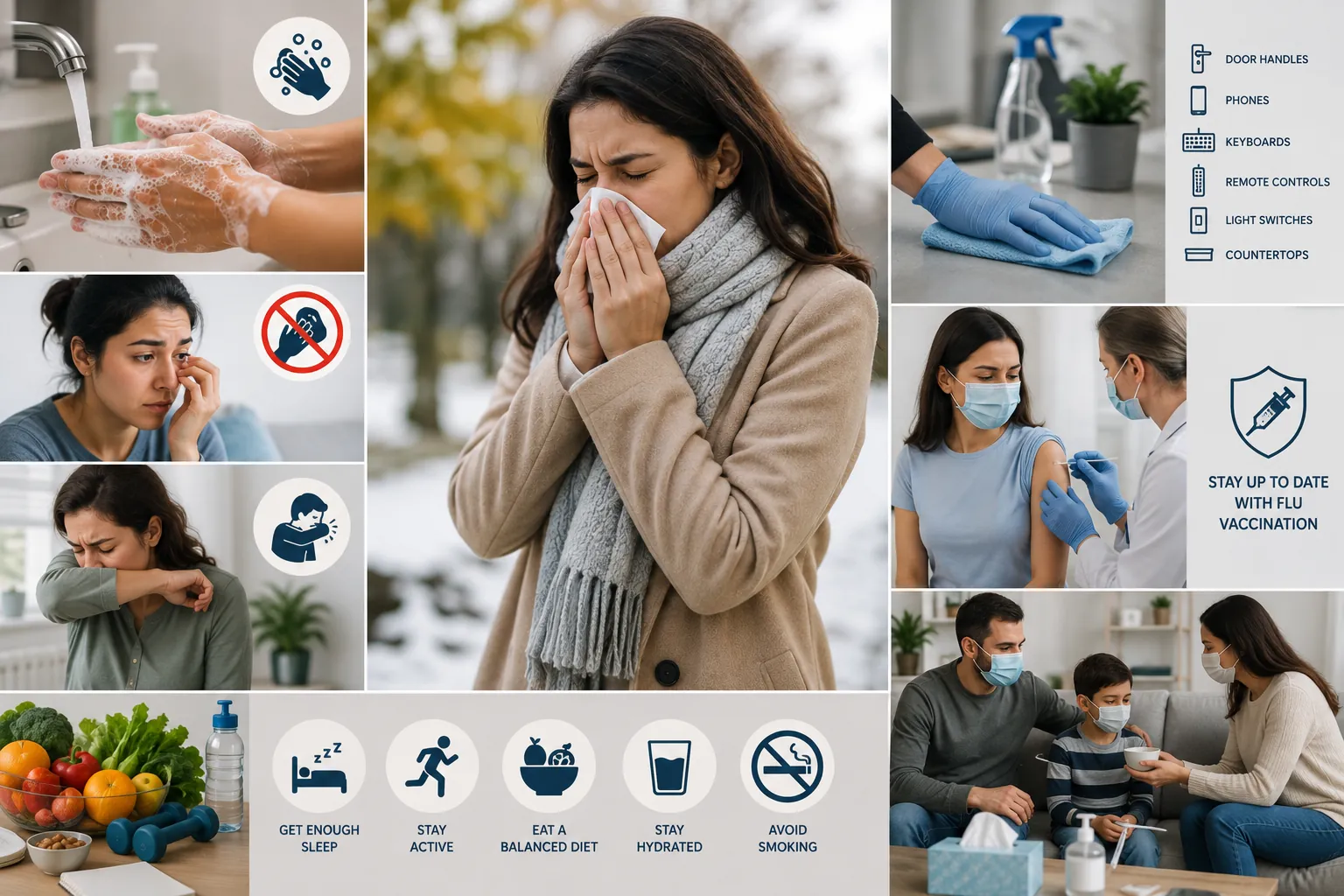
Practical hygiene, vaccination, and wellness habits to stay healthy through respiratory season.
Not sure whether you're dealing with a cold, the flu, or another illness? Our team can evaluate your symptoms and help you understand the next steps.