Understanding High Blood Pressure: Causes, Symptoms & What You Can Do
Why it often has no symptoms, what raises your risk, and the everyday habits that help keep it in check.
Category: Chronic Illness Management|Reading Time: 5–6 Minutes

Cholesterol is a waxy substance your body needs to build cells and make certain hormones. Your body produces cholesterol naturally, and it also comes from some foods. However, having too much cholesterol in your blood can contribute to plaque buildup in your arteries and increase your risk of heart disease and stroke.
High cholesterol often has no noticeable symptoms, which makes regular screening important, even if you feel completely healthy.
Several factors can affect your cholesterol levels. Some can be changed, while others are outside your control.
Diet
Foods high in saturated and trans fats can raise unhealthy cholesterol levels.
Weight
Being overweight can contribute to higher LDL and lower HDL cholesterol.
Physical Activity
Regular exercise can help improve cholesterol levels and support heart health.
Family History
Some people inherit conditions that cause very high cholesterol, such as familial hypercholesterolemia.
Age & Hormonal Changes
Cholesterol levels can change as you get older and may be affected by hormonal changes.
Certain medical conditions and medications can also affect cholesterol levels.
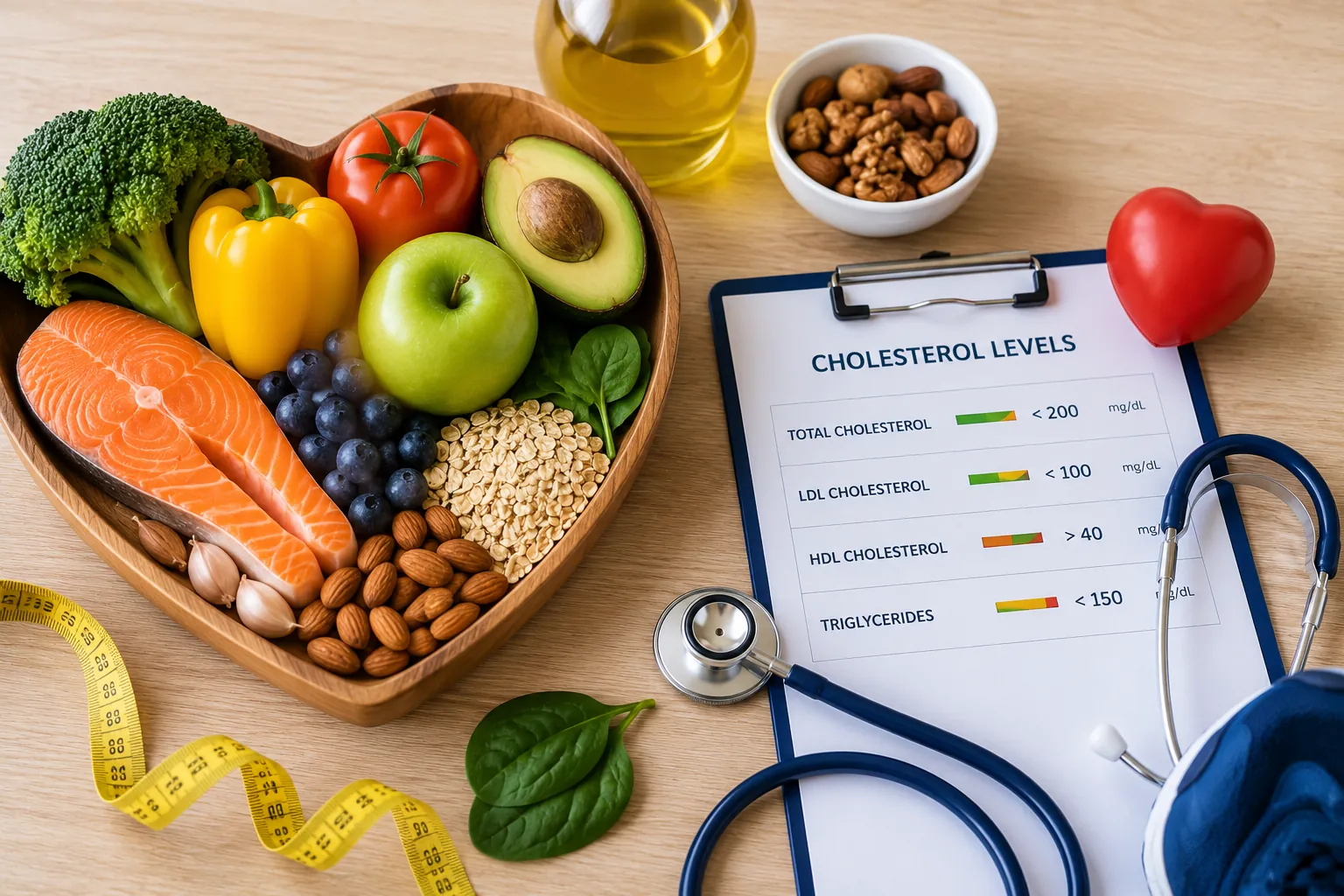
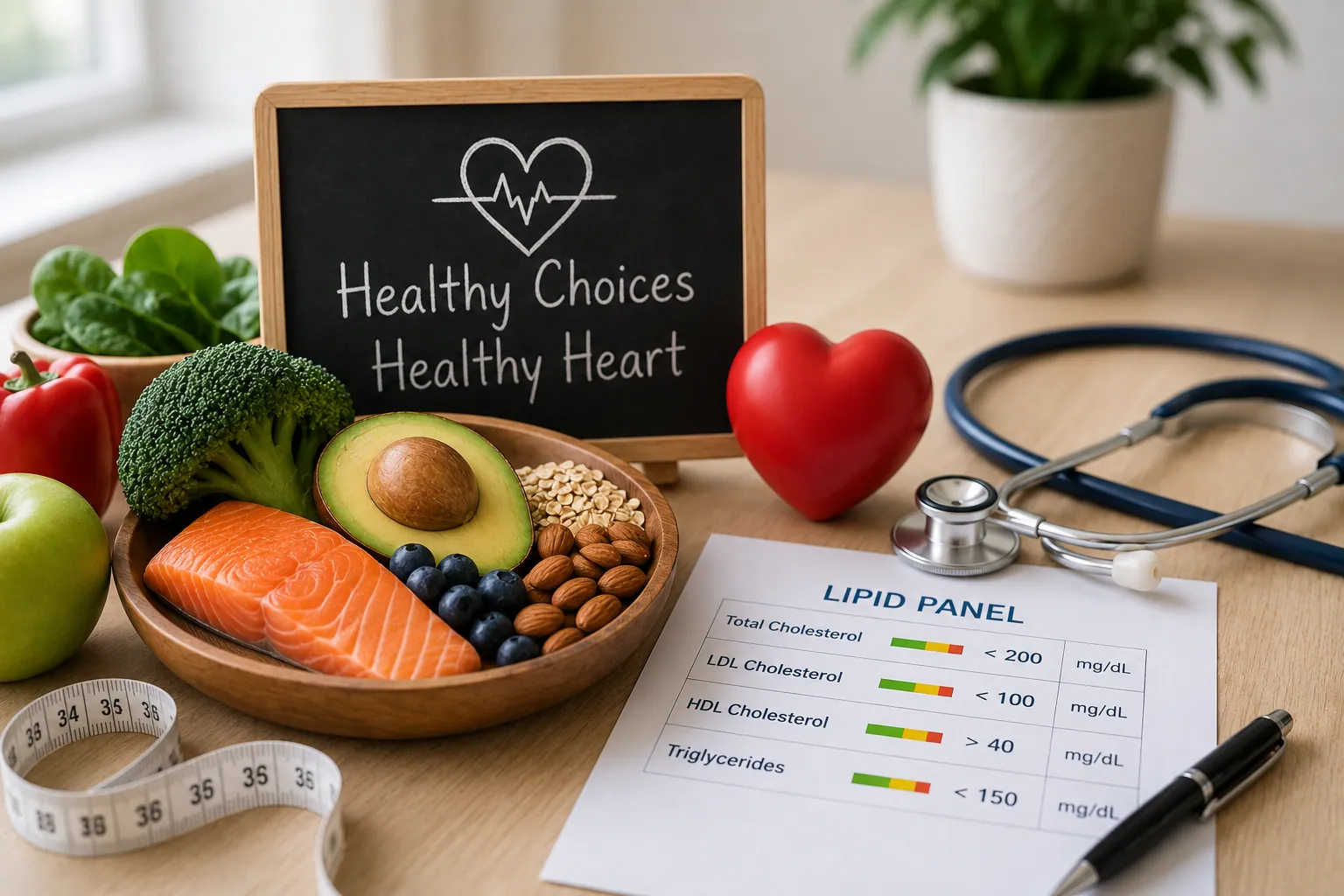
A cholesterol test, often called a lipid panel, measures several types of fats and cholesterol in your blood.
LDL Cholesterol
Often called "bad" cholesterol. Higher levels can contribute to plaque buildup in the arteries.
HDL Cholesterol
Often called "good" cholesterol because it helps carry cholesterol back toward the liver.
Triglycerides
A type of fat in the blood that can also contribute to cardiovascular risk when levels are elevated.
Your provider considers these numbers along with your overall health and other risk factors when determining your treatment plan.
Lifestyle changes are an important part of cholesterol management. Depending on your individual risk, your provider may also recommend medication.
Choose Heart-Healthy Foods
Include more vegetables, fruits, whole grains, beans, nuts, and lean proteins while limiting foods high in saturated and trans fats.
Stay Active
Regular moderate-intensity activity can support healthier cholesterol levels and overall cardiovascular health.
Maintain a Healthy Weight
If you are overweight, working toward a healthy weight may help improve your cholesterol profile.
Avoid Tobacco
Quitting smoking can improve HDL cholesterol and provide important benefits for cardiovascular health.
Take Medication as Prescribed
Some people need cholesterol-lowering medication in addition to lifestyle changes. Your provider can help determine what's appropriate for you.
High cholesterol usually doesn't make you feel sick, but over time it can contribute to fatty deposits inside your arteries. These deposits can restrict blood flow and increase the risk of cardiovascular problems.
Managing cholesterol can help reduce your risk of:
Heart Disease
High cholesterol can contribute to plaque buildup in the arteries.
Heart Attack
Blocked or narrowed arteries can reduce blood flow to the heart.
Stroke
Plaque buildup can affect blood flow to the brain.
Peripheral Artery Disease
Narrowed arteries can also affect blood flow to the legs and other parts of the body.
Because high cholesterol often doesn't cause symptoms, testing is the best way to know your levels.
Talk with your healthcare provider about cholesterol screening, particularly if you have a family history of high cholesterol or heart disease, high blood pressure, diabetes, excess weight, or other cardiovascular risk factors.
Your provider can review your results and help determine whether lifestyle changes, monitoring, or medication may be appropriate.
Why it often has no symptoms, what raises your risk, and the everyday habits that help keep it in check.
The early warning signs of type 2 diabetes, who is at risk, and simple changes that support healthy blood sugar.
Common causes of back pain, the warning signs that need prompt attention, and how it is treated.
Colds and the flu can look alike. Here is how to tell them apart and when to seek care.
What a physical exam covers, why preventive visits matter, and how to prepare for your appointment.
How sciatic nerve pain feels, what causes it, and the symptoms that mean you should be seen.
Posture, lifting, sleep, and activity habits that help protect your back every day.
The most common flu symptoms, who is at higher risk, and when to contact a provider.
Practical hygiene, vaccination, and wellness habits to stay healthy through respiratory season.
Knowing your cholesterol numbers is an important part of preventive healthcare. With regular monitoring, healthy habits, and the right treatment plan, high cholesterol can often be managed effectively. At First MD, our team can help you monitor cholesterol and other cardiovascular risk factors as part of comprehensive primary and chronic care.